
How To Tell If A Yiwu Booth Is Real Factory Or Trading Middleman
Walk through Yiwu Futian Market, and almost every other vendor will tell you “we are the factory”. For new overseas buyers, it is hard to separate fact from sales talk.
Some booths do own their production workshops. Far more are trading middlemen who source goods from multiple outside factories and resell them to international clients. Working with traders is not always bad, but misunderstanding who you are dealing with will create wrong expectations around price, MOQ and custom‑making ability. After years visiting hundreds of booths, we have summed up real‑world signs you can check right at the market.
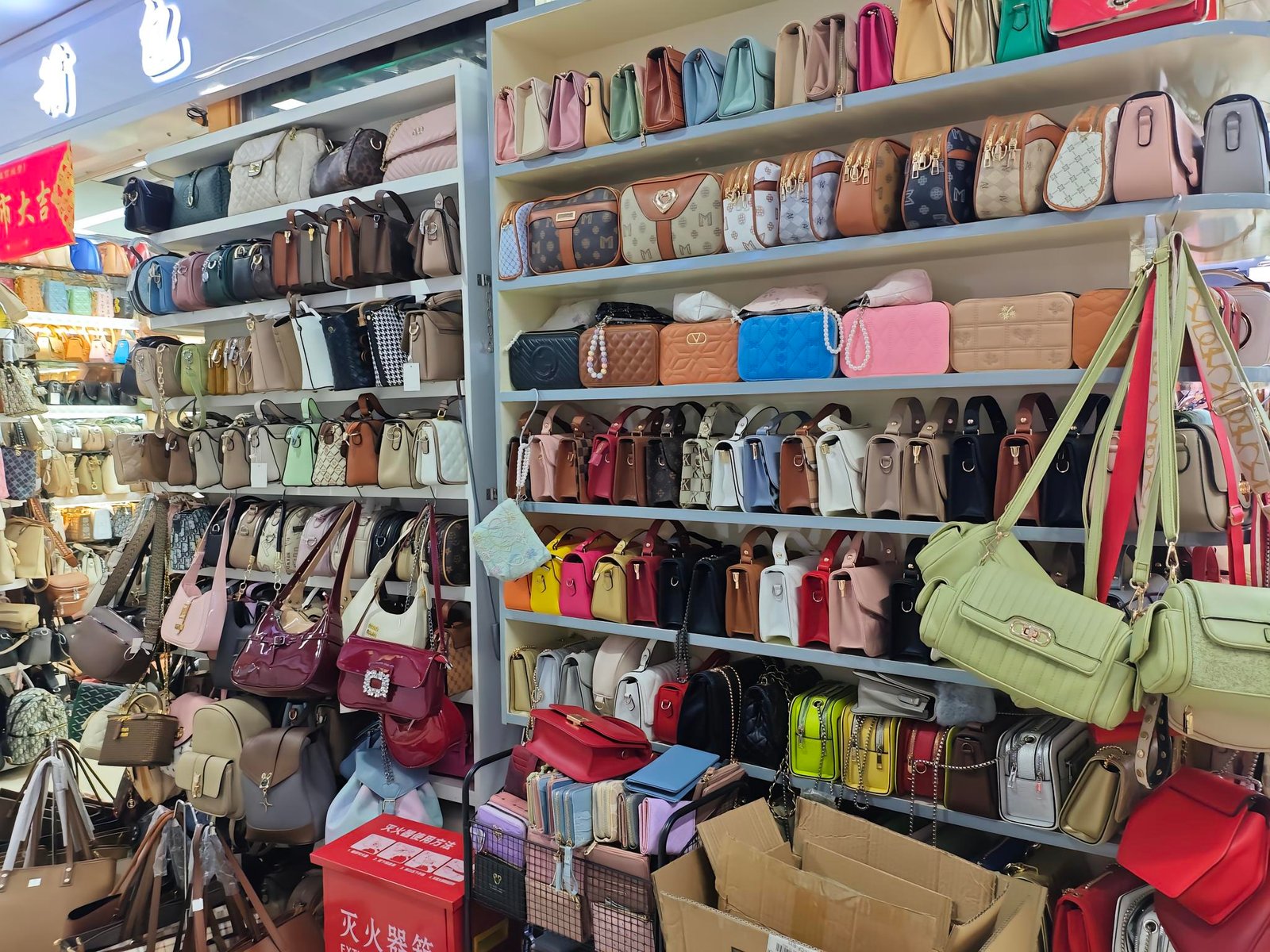
It is not always bad to work with trading booths
A lot of new buyers fall into a simple mindset: factory = good, trader = bad. This is not completely true.
Trading booths often gather products from many small factories. If you want to mix many different items for small‑batch trial orders, traders can save you huge amounts of running‑around work. They handle communication, consolidation and basic quality screening for you.
Where you run into trouble is when a trading booth pretends to be a direct manufacturer. You may expect factory‑level low prices or flexible custom mould support, only to find they cannot deliver later. Know who you are working with, and set your expectations accordingly.
On‑site clues you can check at the booth
Product range variety
Real‑factory booths usually focus on one narrow product line. A metal‑keyring factory will mostly show key‑rings and related metal accessories. They rarely jump to completely unrelated categories such as plastic toys or home storage boxes.
Trading booths tend to carry very wide, mixed‑category goods. You might see jewelry, kitchen gadgets and party decorations sitting side‑by‑side. That is a strong hint they source from many different manufacturers.
MOQ and custom‑mould capacity
Genuine factories are comfortable talking about mould costs, mould lead‑times and product modification. If you ask for a brand‑new custom shape, they can give clear pricing and production timelines on the spot.
Many trading booths cannot answer detailed mould questions straight away. They need to make phone calls to their behind‑scene manufacturers for quotes. They also tend to push you towards existing ready‑made samples instead of custom‑developed items.
Note: this rule is not 100 %. Some small‑scale factories also mainly sell existing stock items.
Ask for simple proof
Do not feel awkward asking for evidence. You can politely request factory photos, short live‑video walk‑throughs or production workshop clips.
Real manufacturers can quickly pull up recent workshop footage. Traders will often give vague replies or avoid your question. Keep in mind some small factories do not keep many polished marketing videos, so one single “no video” answer is not solid proof they are traders. You need to look at the whole picture.
Common tricks middlemen use to sound like factories
They show you factory photos downloaded from the internet, not their own workshop.
They promise very low custom‑order prices but keep delaying formal quotations.
They speak confidently about production details yet cannot answer technical follow‑up questions.
When you push for a factory visit, they come up with constant excuses such as “factory is far away”, “factory is currently under renovation”.
None of these points serve as absolute proof. Treat them as warning signals to stay cautious.
When should you look for real factories, and when traders work fine
Better to target real‑factory suppliers if:
‑ You plan large‑volume mass‑production
‑ You need brand‑new custom moulds or heavy product modification
‑ You want tight control over production details and manufacturing costs
Trading booths are perfectly suitable if:
‑ You are placing mixed small‑batch trial orders with many different SKUs
‑ You only want existing off‑the‑shelf stock products, no custom development
‑ You hope one supplier can handle multiple unrelated product categories
How sourcing agents help filter booths
Our team meets booth owners face‑to‑face regularly. We know which booths run their own workshops and which act purely as middlemen.
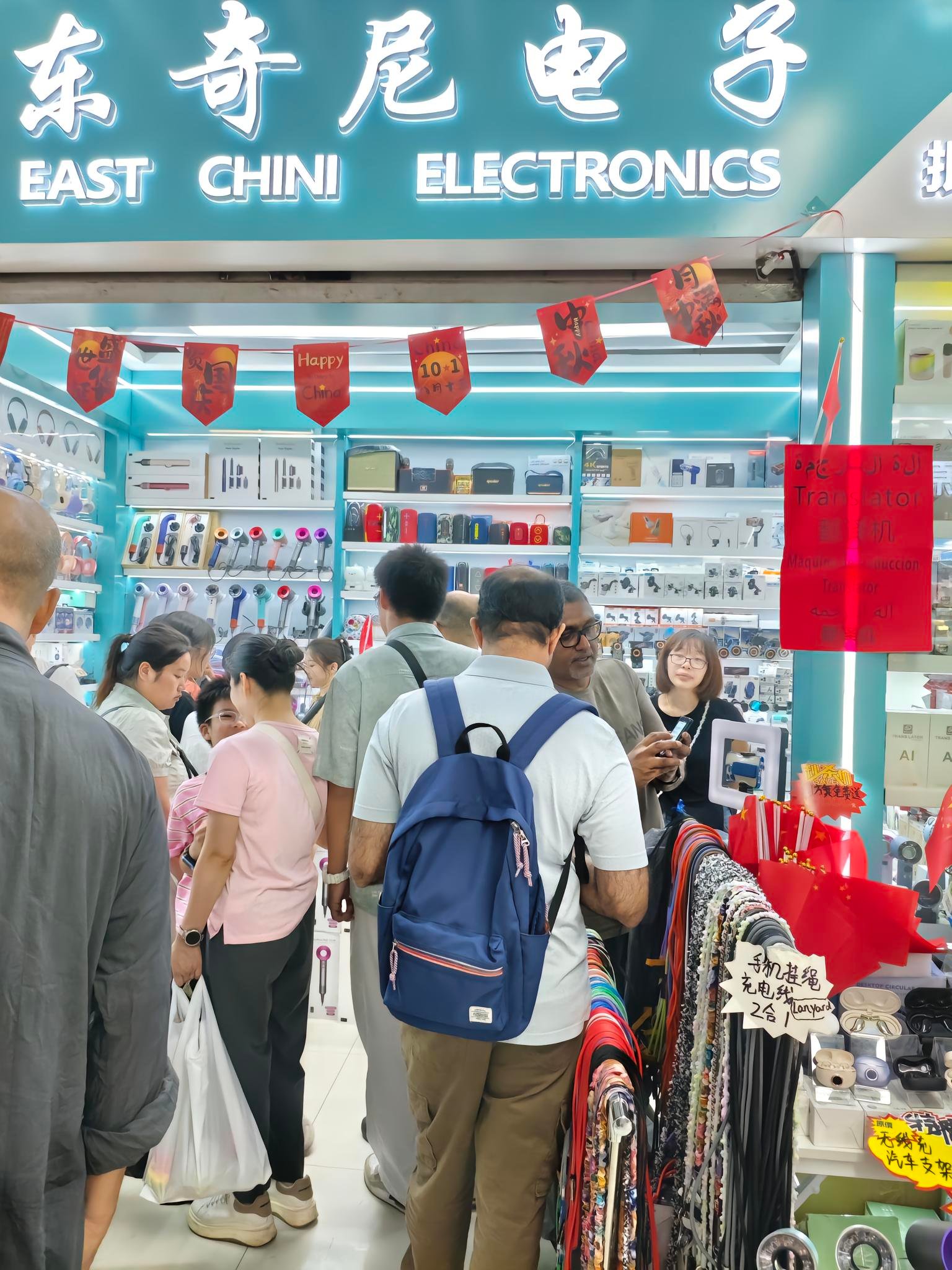
When we screen suppliers for clients, we cross‑check product specialisation, custom‑making capability and real‑workshop evidence. We will tell you upfront whether your supplier is a manufacturer or trader, so you will not build wrong expectations.
Final Thoughts
Do not chase “real factory” status blindly. What truly matters is whether the supplier matches your order requirements.
Some traders deliver stable, reliable service for mixed small orders. Some small factories have weak communication skills and poor customer support. Use the clues above to judge each booth objectively, instead of trusting the “we are factory” sales line alone.
If you need help screening Yiwu booths and confirming whether suppliers are manufacturers or traders, our local team can complete supplier verification for your project. Feel free to reach out for a consultation.