
The Truth About Yiwu Market MOQ: Real Minimum Order Quantity In 2026
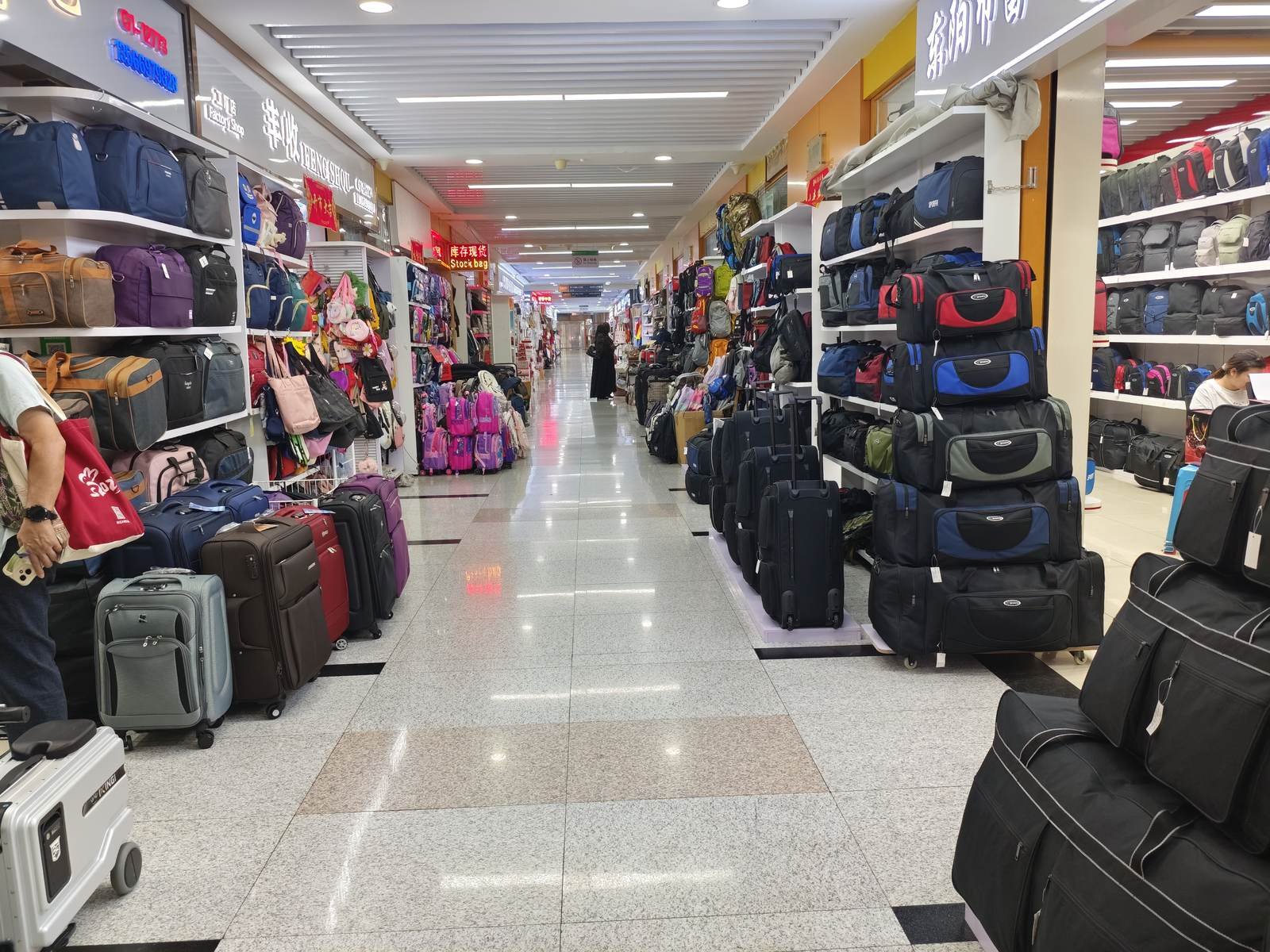
When new buyers walk into Yiwu Futian Market, one thing surprises them most: every booth shows a printed MOQ, yet different sellers give very different answers for the same product.
The number written on price tags is often the public asking‑level quantity, not the final hard limit. Over years working with small‑volume overseas clients, we have seen many buyers waste opportunities because they only trust the displayed figure. Some suppliers can flex MOQ for mixed orders; others stick strictly to high minimums no matter how you negotiate.
What creates the gap between stated MOQ and real negotiable MOQ
Stock ready‑made goods vs custom‑made production
Ready‑stock items sitting inside the booth usually support much smaller trial orders. The supplier already finished manufacturing, so they are happy to split existing inventory.
If you require custom colors, custom printing or brand‑new modifications, MOQ will jump significantly. Suppliers need to start full production runs, and small batches raise their unit‑operation cost.
Single‑item order versus mixed consolidated order
A lot of booths will lower their overall requirement if you take multiple different products from their collection. Instead of ordering 500 pieces of one single item, you may get acceptable terms buying 100 pieces across five different SKUs. This is one of the most useful negotiation points for small‑business importers.
Factory‑run booth versus trading booth
Genuine‑factory booths normally push higher minimum quantities because they want full‑batch production. Trading booths that source goods from multiple workshops often handle smaller mixed orders more easily. That does not mean traders are always better; you just need to understand their business model.
Practical tactics when you need lower‑MOQ orders
Prioritize in‑stock samples and ready‑made items first, keep custom changes to minimum for your early orders.
Ask whether you can combine several different SKUs to hit their total order value target, instead of focusing purely on per‑piece quantity.
Show clear re‑order intention. Suppliers are more willing to relax terms when they believe you will place follow‑up orders later.
Work with local sourcing agents. Agents combine orders from multiple overseas clients, so they can often obtain better MOQ conditions than individual small buyers.
Realistic expectations — there are still hard limits
It is important to stay grounded. Not every product can support tiny‑batch buying. Some categories such as large‑size home goods, heavy hardware or items requiring special tooling will always carry high minimum‑order thresholds.
If a supplier cannot move on MOQ after reasonable discussion, forcing for unrealistically small volumes usually leads to higher unit prices, poorer quality control or longer lead‑times. Sometimes switching to alternative similar products is your best practical choice.
Final Thoughts
Do not treat booth‑displayed MOQ numbers as unchangeable rules. They are starting‑point conditions for negotiation.
Ready‑stock goods, mixed‑SKU purchases and showing re‑order potential are your strongest leverage. At the same time keep realistic expectations: certain product categories simply cannot support very small import batches.
If you struggle with high minimum‑order requirements at Yiwu booths, our local sourcing team can help negotiate terms and consolidate mixed‑batch orders for your import project. Feel free to reach out for consultation.